Paper & Finish Options
Technical reference for paper types, weights, and finish options.
Paper Types
Multiple paper types are available for business printing projects. Paper selection affects appearance, durability, print quality, and cost.
Cardstock Options
| Weight | Thickness | Characteristics | Common Use |
|---|---|---|---|
| 14pt Cardstock | 0.014 inches | Standard weight, durable | General business cards |
| 16pt Cardstock | 0.016 inches | Heavier weight, premium feel | Premium business cards |
| 18pt Cardstock | 0.018 inches | Heavy weight, substantial | Executive cards, luxury applications |
Paper Textures
Smooth
Standard smooth finish. Provides clean print surface and consistent color reproduction.
Linen
Textured finish with crosshatch pattern. Adds tactile interest and reduces glare.
Laid
Textured finish with parallel lines. Traditional appearance for formal materials.
Uncoated
Natural paper surface without coating. Suitable for writing and traditional appearance.
Finish Options
Finish options enhance appearance, durability, and functionality of printed materials.
Standard Finishes
| Finish Type | Appearance | Characteristics |
|---|---|---|
| Matte | Non-reflective, flat | Reduces glare, professional appearance |
| Gloss | High shine, reflective | Vibrant colors, enhanced visual impact |
| Satin | Moderate sheen | Balanced between matte and gloss |
Specialty Finishes
Spot UV
Selective UV coating applied to specific areas. Creates contrast and highlights design elements. Glossy finish on selected areas.
Embossing
Raised design elements created through pressure. Adds tactile dimension to printed materials.
Foil Stamping
Metallic foil applied to specific areas. Gold, silver, and colored foil options available.
Die Cutting
Custom shapes and cutouts using die cutting. Non-standard card shapes and designs.
Color Considerations
Paper color and finish affect color reproduction and appearance:
- White papers provide accurate color reproduction
- Colored papers affect color appearance and contrast
- Gloss finishes enhance color vibrancy
- Matte finishes provide softer color appearance
- Uncoated papers absorb more ink, affecting color saturation
Selection Guidelines
When selecting paper and finishes, consider:
Intended Use
Consider how materials will be used. Durability requirements, handling frequency, and storage conditions.
Design Requirements
Design elements may require specific finishes. Color reproduction needs, texture preferences, and visual impact goals.
Budget Considerations
Paper and finish options vary in cost. Balance requirements with budget constraints for project feasibility.
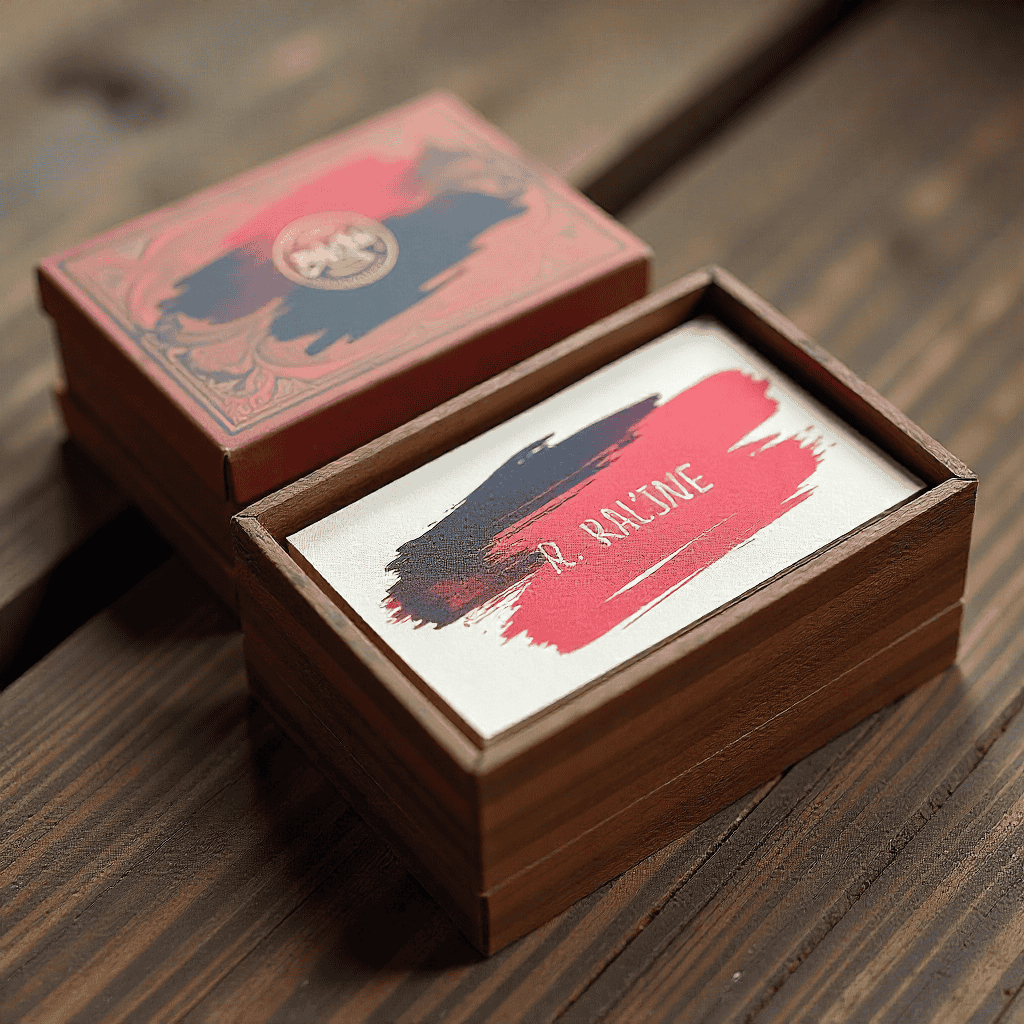
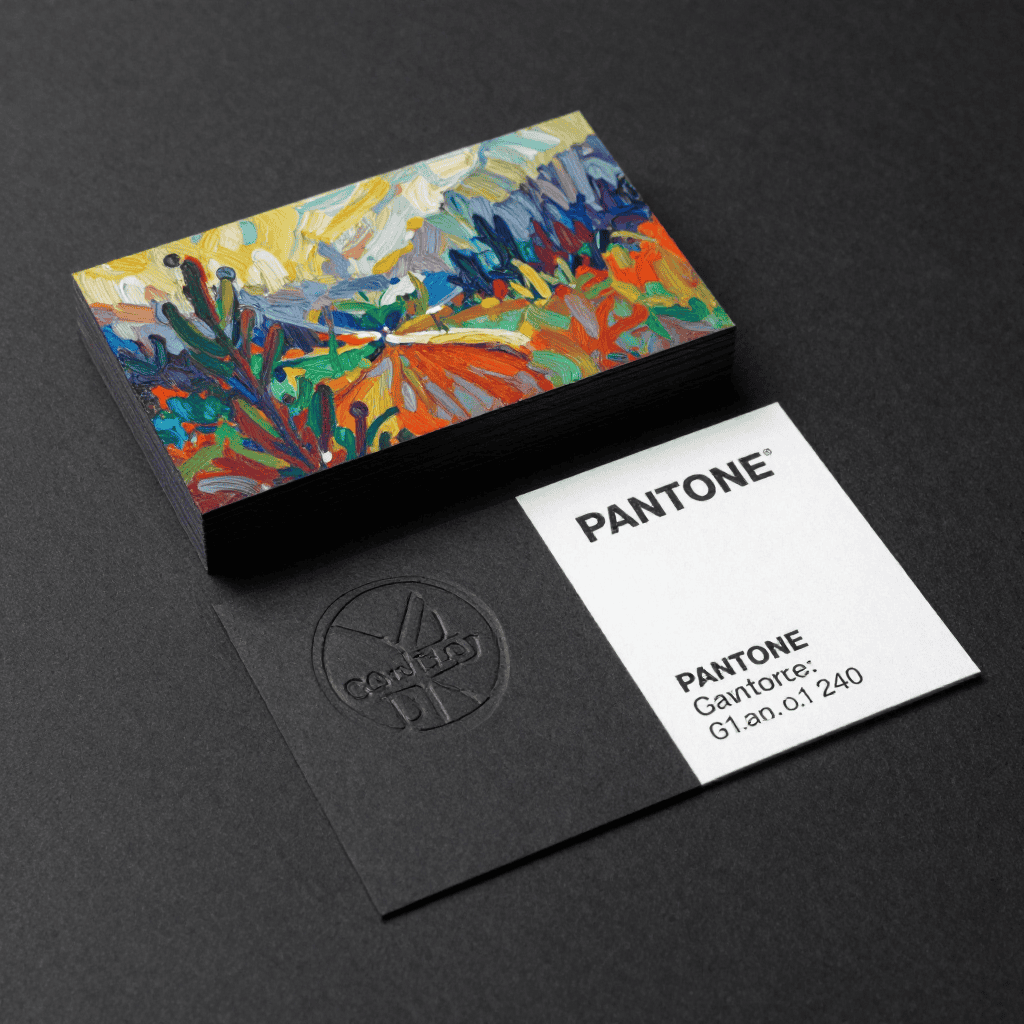
Paper Selection Guide
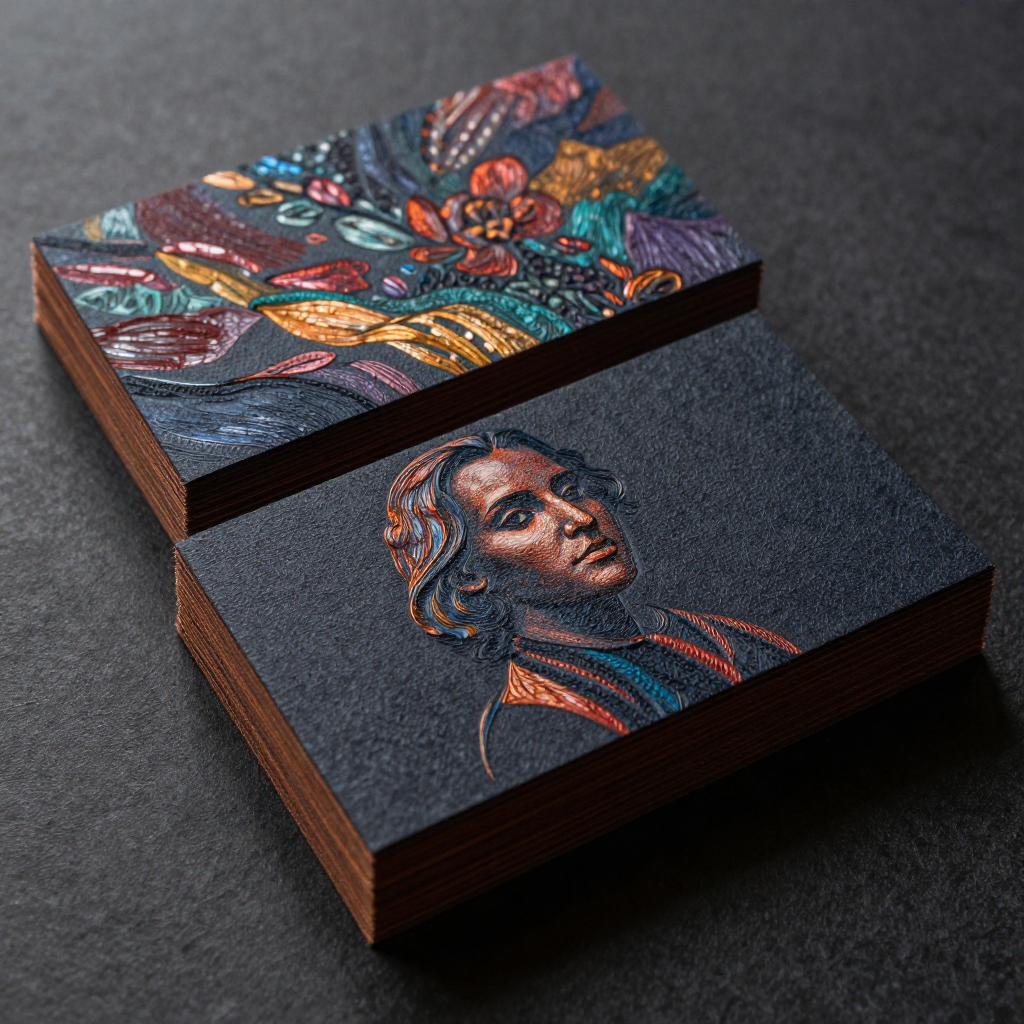
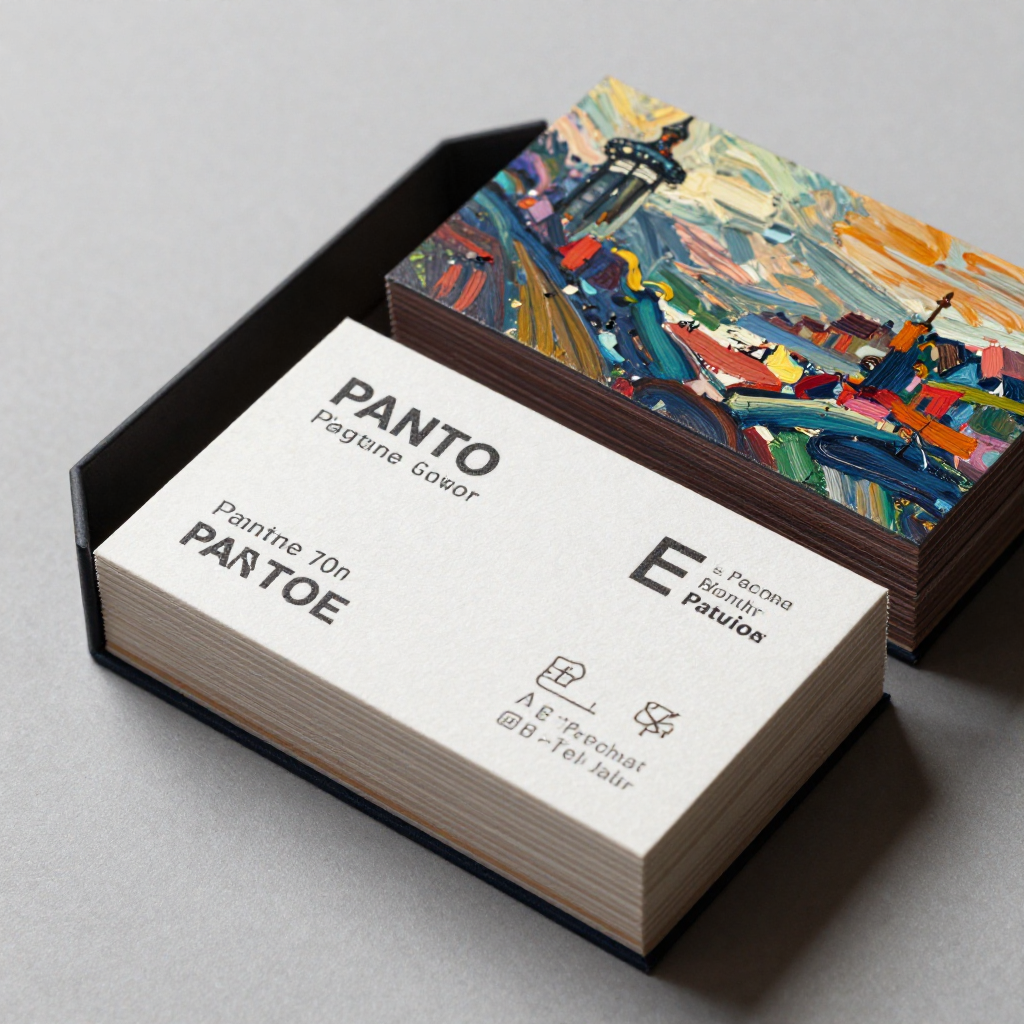
Choosing the Right Paper
Paper selection impacts both appearance and functionality of printed materials. Consider the intended use, design requirements, and budget when selecting paper options.
Standard cardstock works well for general business use, while premium options provide enhanced durability and visual appeal. Texture selection affects both appearance and tactile experience.
Finish Comparison
Visual Impact
Gloss finishes enhance color vibrancy and create reflective surfaces. Matte finishes reduce glare and provide professional appearance. Satin offers balanced visual characteristics.
Durability Factors
Finish options affect material durability and resistance to wear. Coated finishes provide additional protection while specialty finishes like embossing add structural reinforcement.